
Accommodation
Leeds Conservatoire offers advice and support to current students seeking accommodation.
This page contains information for current enrolled students; if you are an applicant please see the information on the conservatoire website.
How to get Accommodation Advice
If you need help finding somewhere to live or are struggling with any aspect of living in student accommodation, we can help!
You can refer yourself into our service by completing the Student Services Referral Form, or sending us an email.
Email: accommodation@leedsconservatoire.ac.uk
Phone: 0113 222 3411
Applicant Information
This page contains information for current enrolled students; if you are an applicant please see the information on the conservatoire website.
The Accommodation team will be able to advise you on the during the application process.

Finding Somewhere to Live
This section contains guidance on house hunting, and the steps you will need to take to enter into a new tenancy.
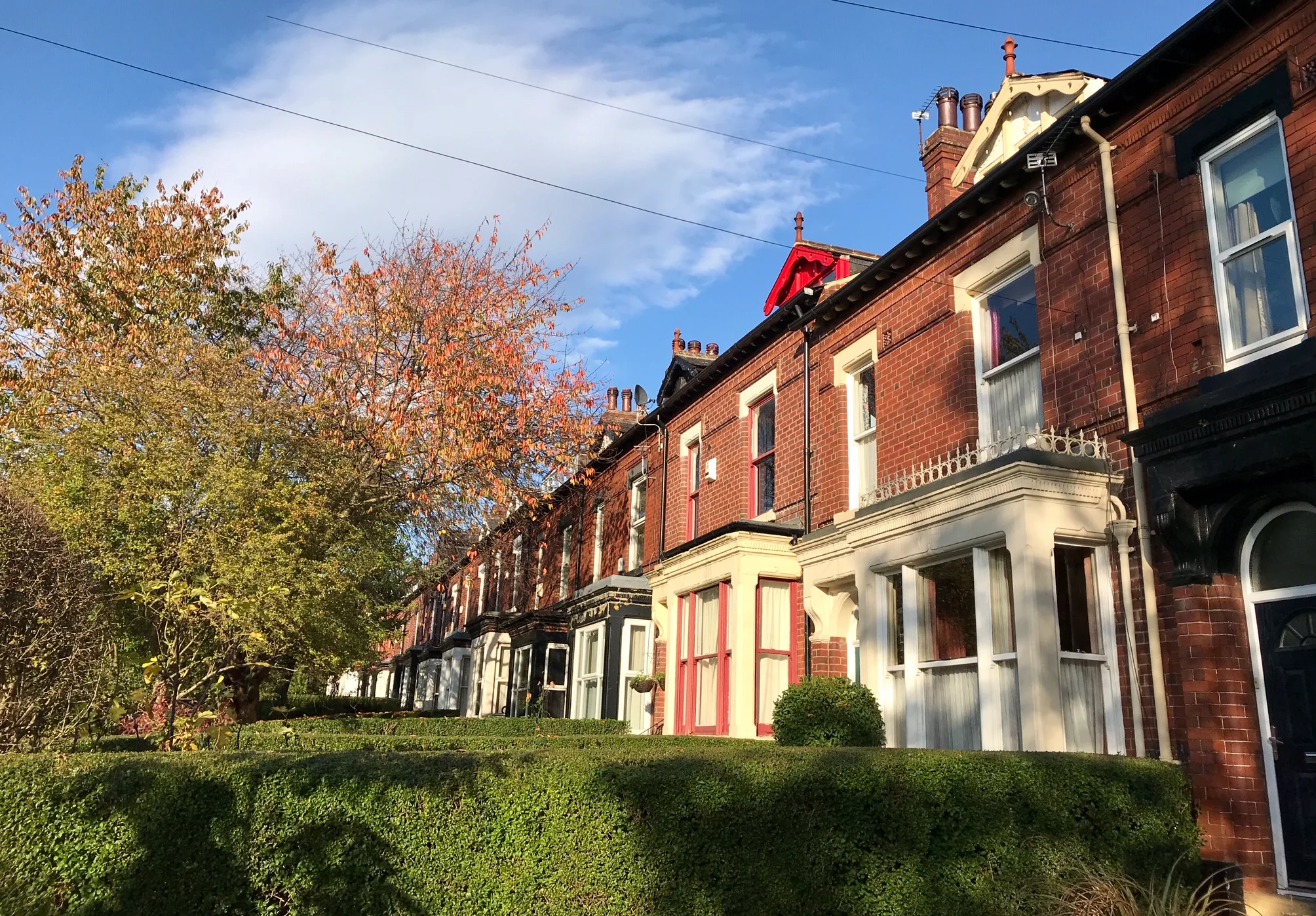
House Hunting
House hunting usually starts in November.
This is when accredited landlords advertise their properties and you’ll have the widest selection to choose from. We recommend conservatoire students search for housing on the Unipol website. The accommodation team will provide you with information once house hunting starts.
Before signing a tenancy agreement, make sure to get it checked over using Unipol’s contract checking service.
Unipol Contact Details
Telephone: 0113 2430169
Email: info@unipol.org.uk
Visit the Housing Hub in person at;
155-157 Woodhouse Lane, Leeds, LS2 3ED
Open 9am-4.45pm, Monday-Friday
House Hunting Links
Guarantors
When you sign a tenancy agreement, you will usually be asked to provide a guarantor. A guarantor is someone who agrees to cover your rent if you are unable to pay it yourself. This is often a parent, guardian or other family member.
If you do not have anyone who can act as your guarantor, we recommend that conservatoire students consider renting directly from Unipol, as they do not require a guarantor.
Another option is to use Housing Hand, a guarantor service that can act as your guarantor for a fee. We have negotiated a special discount for conservatoire students. Use this link to get a quote and check your eligibility.
If you are a care leaver or do not have family support, please contact the Accommodation Team. We can talk you through the different options available and help you find a solution.
Boost
Watch a recent talk about house hunting with Leeds Conservatoire’s accommodation advisers, Dawn and Steph. They are joined by Unipol staff, Judith and Sam. They cover how to find a good landlord, the cost of renting and what you need to know before signing a contract. Sam graduated from Leeds Conservatoire and has some useful insight into different areas that are convenient for music and performing arts students.
Living in Your Accommodation
When you move into your first house, you will have responsibilities to take care of. In this section is support and guidance on those obligations.
Council Tax Exemption For Full Time Students
If you live in accommodation which is solely occupied by full-time students, you are exempt from paying council tax. You can read about council tax exemption for students and apply online at the Leeds City Council website.
If you need to provide evidence of you student status, you can request a letter on myPortal
If You Live in Leeds
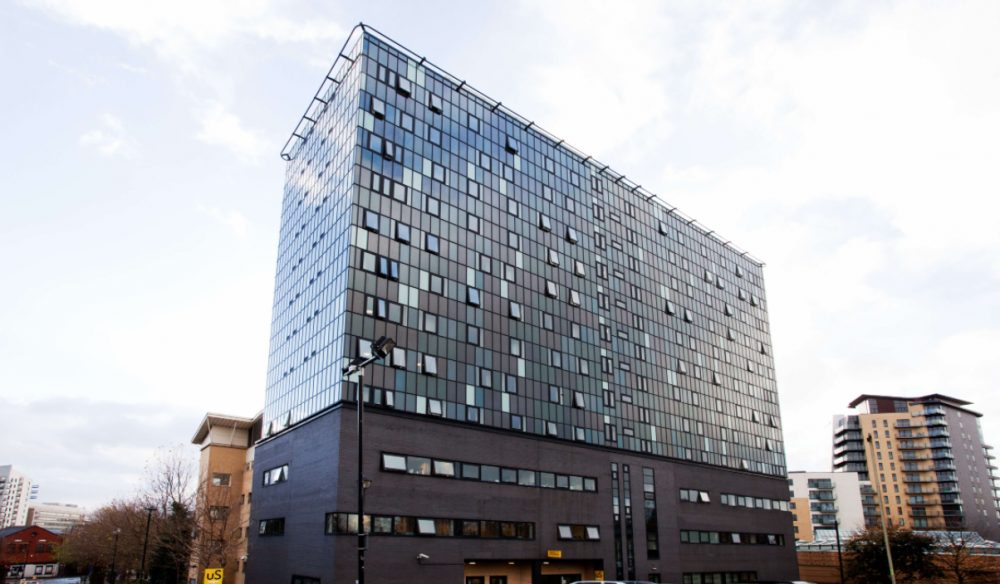
If you are living in student halls (such as Joseph Stones House or One Mill Street) the Council already has a list of all the students and has stated that the whole building is exempt (it is classed as ‘M’ – designated Halls of Residence’). They do not require an exemption form and have assured us they will not send demands for payment!
If you are a student living in property other than student halls, Registry has already supplied Leeds City Council with a list of current students for Council Tax exemption purposes but in addition to this, you must complete a declaration yourself and submit it to the Council. In order to do this you can complete this online declaration available on the Council’s website.
If you need proof of your student status, you can generate a ‘Confirmation of Student Status’ letter by logging into ‘My Portal’. Under ‘Communications’, select ‘Request a Letter’ and this will be automatically generated and emailed to your conservatoire account.
If at any point you receive a demand for payment or other correspondence from Leeds City Council regarding your Council Tax, please do not ignore it. You must contact the Council on the number provided on the correspondence. Failure to complete your declaration could result in the threat of legal action so please do not forget to do so!!
If you live outside Leeds
If you live outside of the Leeds City Council Tax area please check your own local council website to find out what to do. If you need proof of your student status, you can generate a ‘Confirmation of Student Status’ letter by logging into My Portal. Under ‘Communications’, select ‘Request a Letter’ and this will be automatically generated and emailed to your conservatoire account.
If You Have a Parent who is Applying for a Reduction
If you have a parent who is applying for a reduction in Council Tax and needs evidence that you are a student, please generate your own ‘Confirmation of Student Status’ letter on My Portal.
Insuring Your Valuables
Basic contents insurance is often included in your rent if you live in student halls, but it may only cover belongings kept in your room or flat.
Consider insuring valuable items such as instruments, equipment and laptops, especially if you take them outside your accommodation. Check whether you’re covered by a parent’s home insurance policy first. StudentGuard and Lark Music offer student and music insurance.
Back up your coursework regularly—insurance can replace a laptop, but not your work.
You can also register valuables with Immobilise, the free National Property Register, to help the police return recovered stolen items.
Useful Links

Living Together and Getting Along
There are many ways in which tensions can arise in shared accommodation. Below is useful advice on how to keep everything running smoothly.
Resolving fall-outs between flat mates
For many students, moving away to the conservatoire is their first experience of communal living.
It’s a great way to make friends but occasionally there can be disputes between flatmates.
Students come from a variety of backgrounds and can have differing expectations about how they wish to live. Learning how to get along involves communication, compromise and good negotiation skills.
Fall-outs happen for many reasons, but the most common disputes tend to start out very small. Whatever the reason, it can be extremely upsetting. It is important to focus on resolving disputes at an early stage so they don’t escalate into bigger problems.
This involves compromise on both sides and talking to find common ground. Sometimes ‘agreeing to disagree’ is the common ground and is a very positive starting point. This may sound a bit daunting, but most people will change their behaviour once they know they are upsetting others.
Useful Tips
Useful Tips
- Avoid talking about problems when you or your flat mates have been drinking alcohol. It’s much better to wait until the next day and talk calmly and politely.
- Fall-outs often involve other people. Try to focus on how the situation feels for you and do not speak on behalf of others.
- Avoid getting into groups or making other people feel isolated. Ganging up on people can make a situation far worse
- Vicious and angry note writing (on paper or online) should be avoided. It’s not helpful to be offensive or negative and you may deeply regret this later.
- Stay focused on the future. Concentrate on how the situation can be improved rather dwelling on ‘who has done what’.
You may find it useful to speak to accommodation provider, who can work with you to find solutions and offer practical advice, such as mediation.
Feeling Safe in Your Accommodation
Everyone should feel safe in their home.
If you feel overwhelmed by other people’s behaviour in your accommodation building, try to focus specifically on the behaviour which directly affects you in your flat. Otherwise, you could find a lot of your energy is taken up with issues that you can’t control and that could distract you from your studies and enjoying your life in Leeds.
If you have any worries or concerns about incidents that happen in your accommodation, the following may help:
If you are living in student accommodation report any issues or incidents to staff in your building. There will be a manager or dedicated tenancy support team who will be able to support you.
For students living in shared houses: Report anti-social behaviour to Leeds City Council online. Also speak to your Landlord if you are having persistent problems. Report criminal behaviour to West Yorkshire Police.
To report an incident to the conservatoire: We encourage our students and staff to report bullying, harassment, sexual misconduct, hate crime, assault or discrimination by using the reporting tool.
Noise Disturbance
Noise disturbance can cause upset between housemates, neighbours and communities. There are ways to help minimise noise to avoid conflict.
Useful Tips
- When organising a party make sure you know who you’re expecting. Don’t advertise your party on public social media, or you may be at risk from gate crashers.
- Let your neighbours know in advance and agree a time that the noise will stop.
- Consider using headphones if you are playing music late at night.
- Try and keep your TV and sound system away from adjoining walls and raised off the floor.
- Keep the volume down and set your bass control to a low level during anti-social hours.
- If you play a musical instrument, speak to your neighbours and housemates about the times you practice.
- Be mindful of noise when arriving home late. Close the door quietly and keep conversations until you are inside.
When students repeatedly cause upset for their neighbours, Leeds City Council have legal powers to act against perpetrators of noise pollution, which could ultimately result in a criminal conviction, the confiscation of equipment and a fine of up to £5000.
Sources of Help
Excessive noise and anti-social noise can be reported to Leeds City Council.
If you are experiencing noise issues within your halls of residence, speak to the staff on duty in the first instance. For Unite Student residents, call the emergency number whilst the noise is occurring 0300 303 1611 and security staff will deal with the problem. You can also report noise using the MyUnite App.
Useful Links
Moving Out
This section contains guidance on what needs to be done when your tenancy is up.
Leaving Your Accommodation Early
If you live in Purpose-Built Student Accommodation (PBSA)
If you live in PBSA, such as Joseph Stones House or The Terry Frost Building, it is likely that you have signed a fixed-term common law tenancy agreement. This means you are responsible for paying rent until the end of your tenancy, whether you continue to live in the accommodation or not, unless:
- You find a replacement tenant who is approved to take over your tenancy; or
- Your accommodation provider agrees to release you from your tenancy agreement.
In the first instance, contact your accommodation provider to discuss your options. If you are leaving your course because of medical reasons or bereavement, they may ask for supporting evidence, such as a letter from your GP or another medical professional. Student Support may also be able to provide a letter of support in some circumstances.
If you live in Purpose-Built Student Accommodation and withdraw from your studies at the conservatoire, you might not be permitted to remain in the accommodation, even if you continue to pay rent. You should check directly with your accommodation provider.
You can advertise for a replacement tenant on Life, under the ‘To Let’ section. Try advertising through LCSU social media or use this noticeboard on the Unipol website to reach other students in Leeds.
If you need further advice, please contact the Accommodation Team.
If you live in a shared house or flat
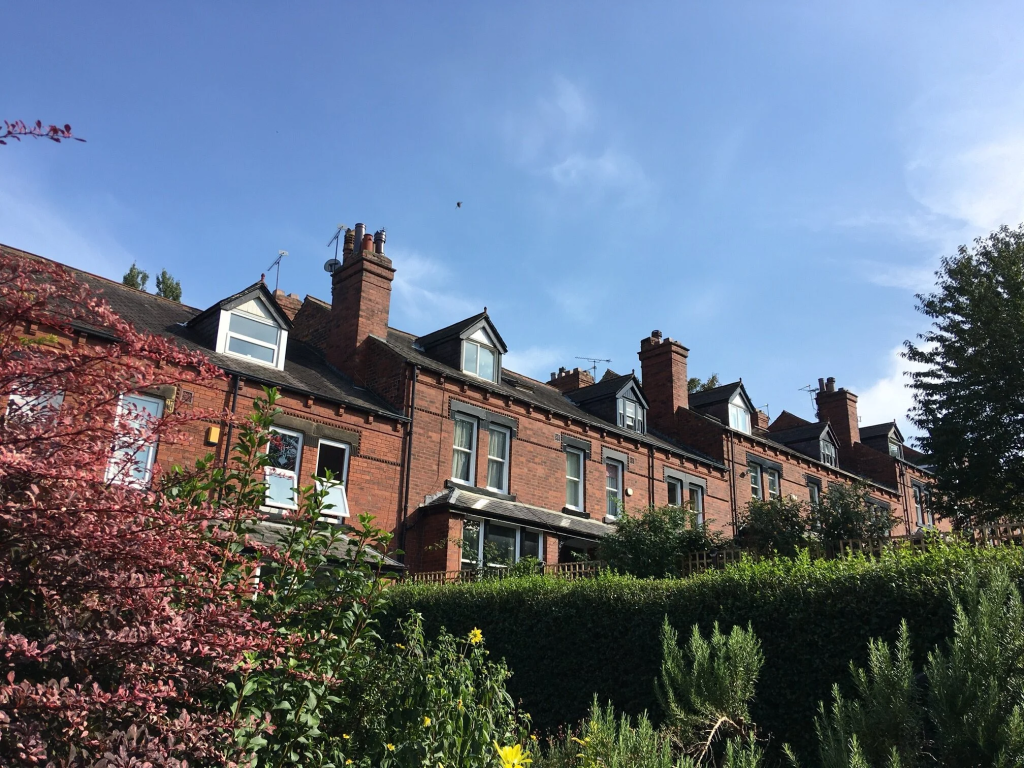
If you are renting a shared house or flat from a landlord or managing agent, it is likely that you have an Assured Periodic Tenancy (previously known as an Assured Shorthold Tenancy or AST). Since the Renters’ Rights Act 2025 came into effect on 1 May 2026, most tenancies have become periodic, meaning tenants can end their tenancy at any time after moving in by giving at least two months’ written notice to their landlord or managing agent. This gives tenants greater flexibility if their circumstances change.
If you have an Assured Periodic Tenancy, the size of the property does not affect your ability to give notice. However, the consequences of giving notice differ depending on whether you have an individual tenancy agreement or a joint tenancy agreement. If you want to leave but your housemates wish to remain in the property, speak to your landlord about the options available.
If you need further advice, please contact the Accommodation Team.
Useful Links
Getting your deposit back
When you sign a tenancy agreement, you will usually need to pay a deposit of up to five weeks’ rent. This should be returned at the end of your tenancy, provided there is no damage to the property or other valid deductions.
By law, your deposit must be protected in an approved tenancy deposit scheme. Your landlord or letting agent should tell you which scheme is being used. This ensures your money is held securely and provides access to a free dispute resolution service if there is a disagreement about deductions.
Further information about deposits is available here.
If you have problems getting your deposit back, Unipol provides useful advice and template letters to help you contact your landlord or letting agent.